.png)


.png)


What Is the Minimum Design Factor for Wire Rope Slings and Why Does It Matter?
January 13, 2026




What is the minimum design factor for wire rope slings, and how does it impact safety, load capacity, and operational reliability? In short, the minimum design factor (also called safety factor) is the ratio between the wire rope sling’s breaking strength and the maximum intended load. This value ensures that the sling can handle unexpected stresses, wear, or misloading without failure. For distributors, rigging contractors, and industrial users, understanding and adhering to proper design factors is essential to comply with safety regulations, minimize downtime, and protect both personnel and cargo.
For instance, in a construction site lifting operation, using a wire rope sling with an insufficient design factor could result in catastrophic failure under dynamic loads or sudden shifts, whereas a properly rated sling provides a safety buffer, allowing operations to proceed with confidence. This guide examines the minimum design factor, illustrates real-world applications, and provides technical recommendations for selecting and using wire rope slings effectively.
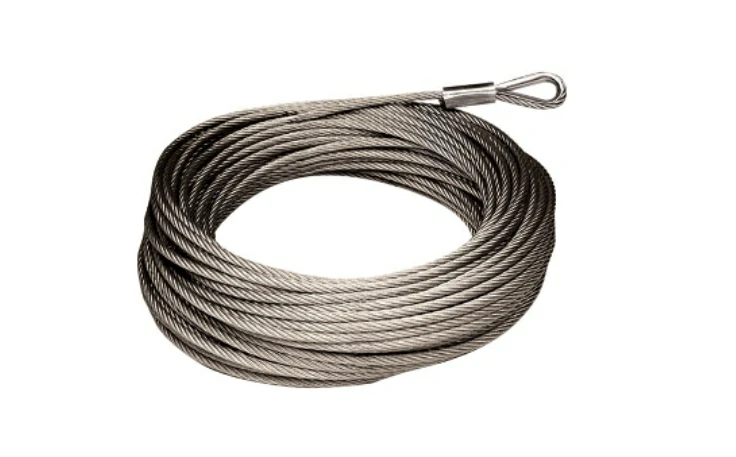
Understanding Design Factors in Wire Rope Slings
The design factor is determined by industry standards, material properties, and intended use. Common factors influencing the design factor include:
- Load Type: Static vs. dynamic loads
- Lifting Angle: Sharper angles increase stress on slings
- Material and Construction: Wire diameter, strand construction, core type
- Environmental Conditions: Corrosion, abrasion, temperature extremes
Most standards, such as ASME B30.9 and EN 13414-1, specify minimum design factors typically ranging from 5:1 for general lifting to 7:1 for critical lifting applications.
A high design factor reduces the risk of failure but may require larger, heavier slings. Selecting the right balance between safety and practicality is a critical decision for buyers of lifting wire rope.
How to Calculate the Minimum Design Factor
To determine the minimum design factor for a wire rope sling:
- Identify Maximum Load: The heaviest load the sling will lift.
- Determine Rope Breaking Strength: Based on diameter, construction, and material.
- Calculate Design Factor: Design Factor=Rope Breaking StrengthMaximum Load\text{Design Factor} = \frac{\text{Rope Breaking Strength}}{\text{Maximum Load}}Design Factor=Maximum LoadRope Breaking Strength
Example Table: Wire Rope Design Factor Calculation
| Sling Type | Rope Diameter (mm) | Breaking Strength (tons) | Max Load (tons) | Calculated Design Factor |
|---|---|---|---|---|
| 6×19 IWRC | 16 | 12 | 2 | 6 |
| 6×36 IWRC | 20 | 20 | 4 | 5 |
| 6×19 FC | 18 | 15 | 3 | 5 |
This approach helps distributors and industrial buyers confirm that slings meet required safety margins.
Common Industry Standards and Guidelines
Different regions and applications have specific minimum design factor requirements:
- ASME B30.9: Recommends a minimum 5:1 design factor for general-purpose wire rope slings.
- EN 13414-1: European standard for lifting slings, also specifying safety factors from 5:1 to 7:1 depending on application.
- OSHA Guidelines: Emphasize that slings must not be loaded beyond rated capacity and must comply with manufacturer specifications.
Proper knowledge of these standards ensures that wire rope sling selection is compliant and safe.
Selecting the Right Wire Rope Sling for Your Application
When choosing slings, consider:
- Lifting Angle: As the angle decreases from vertical, the load on the sling increases.
- Environmental Exposure: Moisture, chemicals, and heat can reduce rope strength.
- Dynamic Loads: Hoisting loads in motion requires higher safety margins.
- End Fittings: Hooks, eyes, and thimbles must match sling ratings.
Correct selection improves operational safety and prolongs sling life, reducing replacement frequency and total cost.
Best Practices for Wire Rope Sling Use
- Inspect slings before every lift for wear, broken wires, or corrosion.
- Store slings in dry, temperature-controlled environments.
- Do not exceed the rated load, even for temporary lifting.
- Train operators on proper rigging techniques and angle calculations.
These practices ensure that industrial users get the maximum lifespan and reliability from their slings.
For guidance on selecting wire rope slings that meet minimum design factors and operational safety, contact us for technical support.
FAQ: Minimum Design Factor for Wire Rope Slings
Q1: What is the typical minimum design factor for general-purpose slings?
A: Most standards recommend 5:1 for general lifting operations.
Q2: Can the design factor be reduced for special applications?
A: Only if approved by engineering analysis and in compliance with applicable regulations.
Q3: How do environmental factors affect the design factor?
A: Corrosion, high temperatures, and abrasion can reduce rope strength, requiring higher design factors.
Q4: Are wire rope slings with higher design factors heavier?
A: Yes, higher factors often mean thicker ropes, which increase weight and handling considerations.
Q5: How frequently should slings be inspected?
A: Before each lift and periodically according to manufacturer guidelines or standards such as ASME B30.9.
About Julisling
Julisling is a trusted wire rope slings supplier, offering high-quality, industrial-grade slings designed for safety, durability, and compliance with international standards.With strict quality control and technical support, Julisling empowers B2B clients to safely handle heavy loads, reduce operational risks, and optimize lifting operations.
References
- Wikipedia – Wire Rope
https://en.wikipedia.org/wiki/Wire_rope